Industry Insights
Cashback at the Checkout: When the Till Doubles as an ATM
How does checkout cashback work? Retailers return part of the card commission as value loaded onto a closed-loop gift card, keeping the reward spendable inside their own stores.
Where should a credit card reward be spent? Retailers who help fund those rewards increasingly answer: in our stores.
Rewards That Leak Out of the Store
Cash back, points, merchandise and travel bonuses are offered by card issuers and banks to win and retain cardholders, typically as a small percentage of net expenditure and redeemable as cash, travel or gift cards. Merchants pay commission on every card transaction they accept. A reward part-funded by that commission but redeemed elsewhere is a cost with no return visit attached.
Sharing the Commission, Keeping the Customer
Many large retailers have contracted with card companies to share that commission with the cardholder as value on a closed-loop card issued by the retailer — sometimes limited to a co-branded program, sometimes extended to every issuer under contract. These arrangements usually include a B2B element, with the card company committing to buy closed-loop loads at a discount. Historically the delivery was manual: a gift card or paper coupon handed over at the till, charged daily in bulk.
Loading the Reward in Real Time
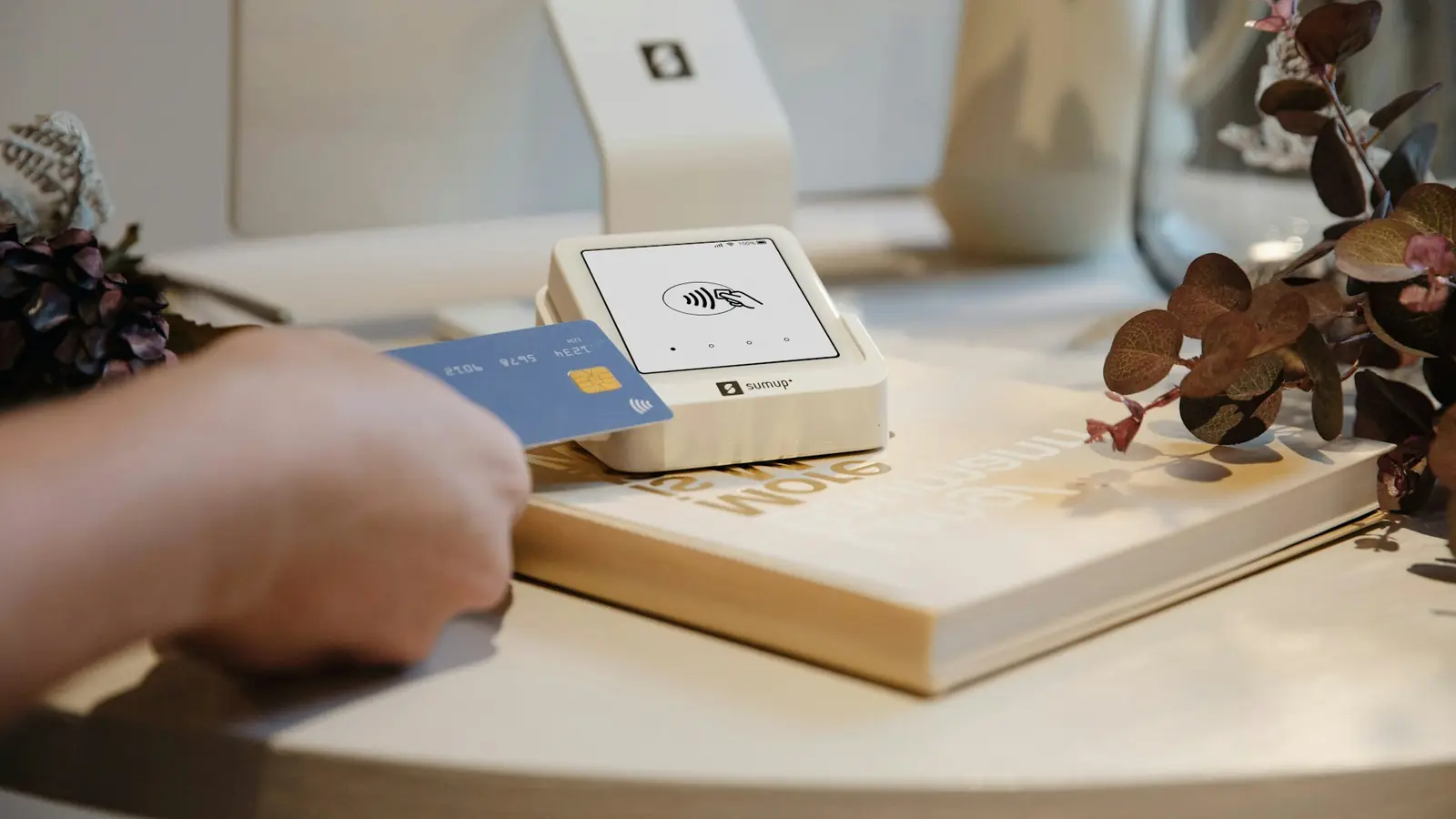
Ogloba takes a different route. The cashier swipes the credit card a second time, the card number reaches the Ogloba back end, the holder is identified, and the co-branded closed-loop card is loaded with the agreed cashback amount — on electronic cards or mGift. The reward is issued instantly, and it returns through the same doors.
FAQ
Who funds a credit card reward, and where does it usually get spent?
Card issuers and banks offer it, typically as a small percentage of net expenditure redeemable as cash, travel or gift cards. Merchants pay commission on every transaction, so a reward part-funded by that commission but redeemed elsewhere is a cost with no return visit attached.
What does the retailer negotiate with the card company?
A share of that commission, returned to the cardholder as value on a closed-loop card the retailer issues — sometimes only for a co-branded program, sometimes for every issuer under contract, usually with the card company committing to buy closed-loop loads at a discount.
How was the reward delivered before real-time loading?
Manually: a gift card or paper coupon handed over at the till, charged daily in bulk.
What does the cashier actually do to load cashback instantly?
Swipes the credit card a second time. The card number reaches the Ogloba back end, the holder is identified, and the co-branded closed-loop card is loaded with the agreed amount, on electronic cards or mGift.