
Industry Insights
Custom Gift Card Design: Make the Card Part of the Brand
Why does custom gift card design matter? Distinctive materials, formats, and personalization help cards stand out in crowded gift malls, extending brand identity across physical, digital, and mobile.
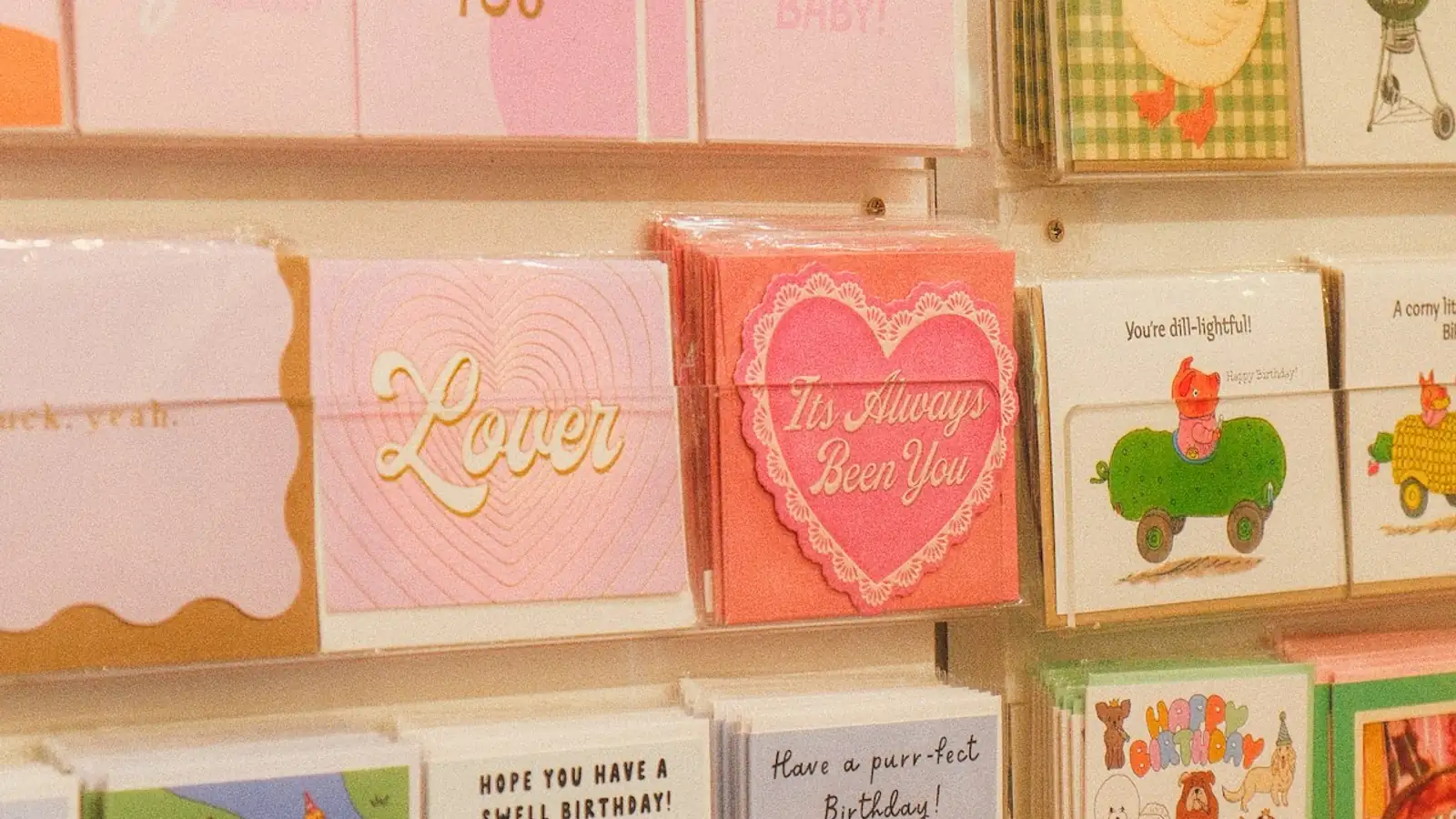
In a gift card mall, the design does the selling. A shopper scans dozens of cards in a couple of minutes, and the one that gets picked up is usually the one that looks made for the occasion. That makes card design a merchandising decision rather than a cosmetic one — and as custom-designed cards become more common, an undifferentiated card quietly costs awareness and sales.
Format Carries Part of the Message
The physical build says something before the artwork does. Laminated plastic with barcode or magnetic stripe, memory-chip smart cards, contactless RFIC and NFC, biodegradable eco-friendly cards, key tags, transparent or frosted finishes, scratch, hologram and custom-shaped cards each signal a different intent at the fixture. The point of supporting all of them is that the brand decision stays a brand decision, not a technical compromise.
Personalization Is Now the Expectation
Retailers have watched personalization move from novelty to default. Once digital gift cards travel through social channels, the platform has to carry pictures, icons, graphics and video — and emoji, which now do real communicative work. The emotion behind a gift needs a matching image the recipient reads instantly.
One Identity Across Every Surface
The same design service extends to merchandising material, web pages and a retailer's own mobile app, where corporate identity and trademark have to hold while the experience stays relevant to younger consumers.
That continuity is what makes the card part of the brand rather than a token of it.
FAQ
Why does card design decide which card gets picked up?
Because a shopper scans dozens of cards in a couple of minutes at the fixture. The card that reads as made for the occasion wins the pick-up, which makes design a merchandising decision rather than a cosmetic one.
Which physical card formats can a program choose from?
Laminated plastic with barcode or magnetic stripe, memory-chip smart cards, contactless RFIC and NFC, biodegradable cards, key tags, transparent and frosted finishes, and scratch, hologram or custom-shaped cards.
What does a digital gift card have to carry once it travels through social channels?
Pictures, icons, graphics, video and emoji. The image has to convey the emotion behind the gift immediately, because that is what the recipient reads first.
Where else does the card design have to hold up?
Across merchandising material, web pages and the retailer's own mobile app. Corporate identity and trademark have to stay intact while the experience remains relevant to younger consumers.