Industry Insights
Why FMCG Brands Want Their Share of Retail Data — and How to Give It to Them
How do FMCG brands collect retail sales data? Scanner-equipped EFTPOS terminals activate promotional cards in independent stores, capturing SKU-level purchases and awarding brand-defined points redeemable at partner locations.
Brands can collect their own point-of-sale data without owning the retailer's loyalty programme — provided capture happens at the terminal, at the moment of purchase.
The Data Brands Cannot Buy
Promotions are an exchange: information for incentive. Retailers have historically controlled that exchange, charging FMCG brands for access to shopper buying habits. That model works with a single large chain. It breaks down in fragmented channels — independent convenience stores supplied by wholesalers who guard their dealerships. And because growth comes mainly from reaching more buyers rather than selling more to existing ones, knowing where a product sells matters as much as knowing who bought it.
Capturing SKU and Store in One Transaction
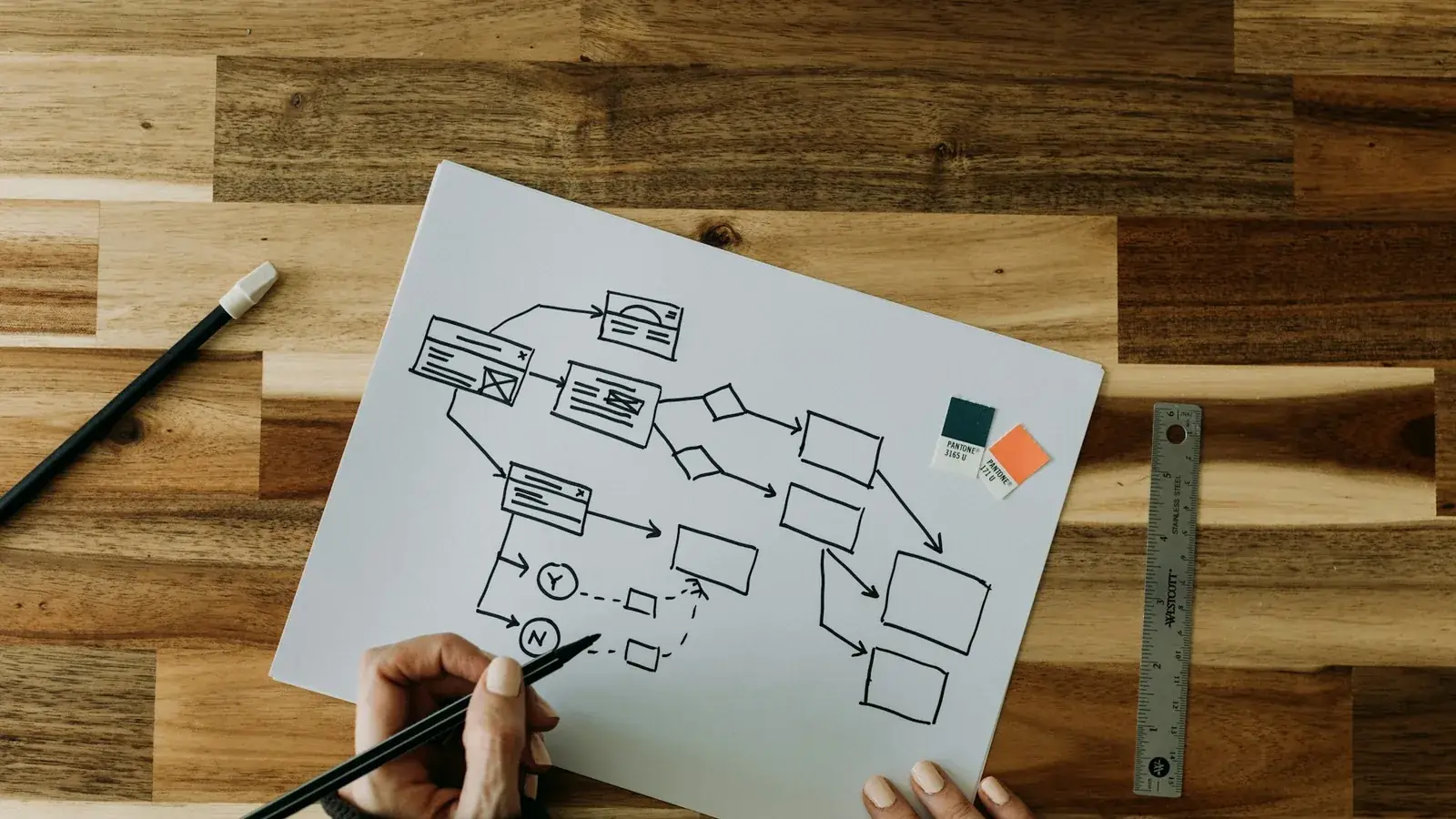
Ogloba puts the capture at the counter. An EFTPOS terminal with a scanner on its RS232 port reads the SKU and the promotional card's magnetic stripe, then sends both to the platform. Through a web interface, brands set which SKUs qualify, for how long, and how many points each earns. The platform filters the qualifying SKU, calculates points, and returns points earned, points balance and money balance to the POS for printing on the receipt. Points convert to value under brand-defined rules, and the card is then spent at accepting locations such as fuel stations.
Anti-fraud logic blocks repeat scans of product never sold, terminal management authorises which devices may connect, and real-time inventory drives replenishment. What the brand gains is first-party visibility into stores it previously could not see.
FAQ
How can a brand collect sales data from stores it does not own?
By running its own promotional card scheme on the retailer's terminal. The capture happens at the counter during the sale, so the brand receives SKU and store information without needing access to the retailer's loyalty database.
What hardware does SKU-level capture need at the counter?
An EFTPOS terminal with a scanner connected to its RS232 port. The scanner reads the product SKU, the terminal reads the promotional card's magnetic stripe, and both travel to the platform in the same transaction.
Who decides which products earn points, and for how long?
The brand does, through a web interface. It sets the qualifying SKUs, the campaign period and the points each product earns, and the platform filters incoming transactions against those rules.
What stops a merchant from scanning product that was never sold?
Anti-fraud logic rejects repeat scans of stock with no matching sale, and terminal management authorises which devices are allowed to connect to the platform at all.