
Industry Insights
Prepaid Cards Make Humanitarian Aid Faster, Safer and More Dignified
Why do aid programmes use prepaid cards? Closed-loop cards reload instantly, restrict spending to food, pay merchants electronically, remove queues, and keep humanitarian funds circulating inside local economies.
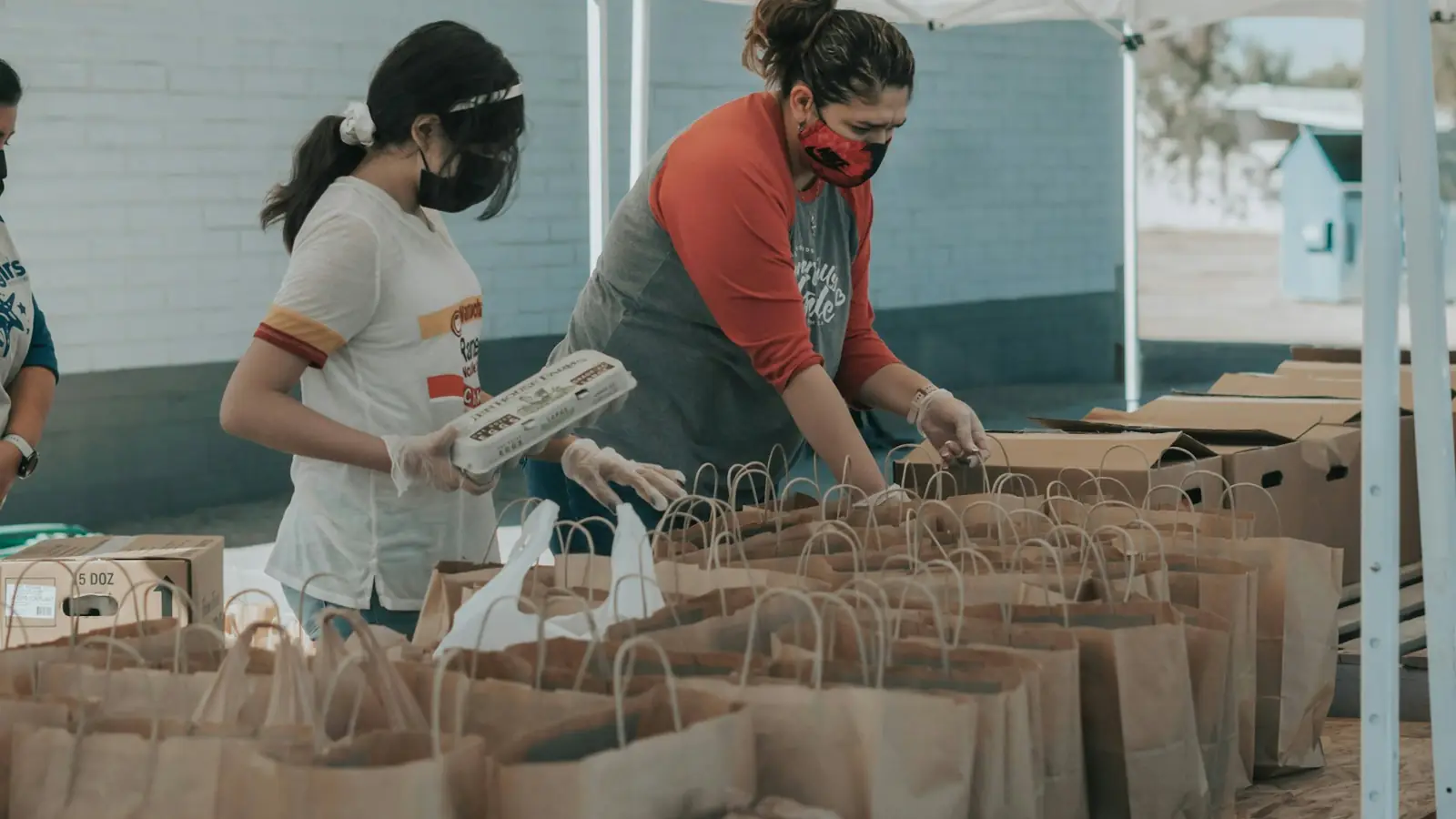
Aid agencies adopt restricted prepaid cards because assistance arrives faster, costs less to distribute, and lets recipients choose what they actually need. The World Food Programme's work with Carrefour in Egypt shows the model: closed-loop shopping cards issued against beneficiary accounts, reloaded in real time or by batch, with balances confirmed by SMS and printed on the receipt.
Why Closed Loop, Not Open Loop
An open-loop card is accepted almost anywhere, but that reach carries bank scheme costs and no control over what is bought. A closed-loop card running on the retailer's own shopping card platform removes those acceptance fees and, more importantly, lets the authoriser reject non-food transactions at the till. Restriction becomes a system rule rather than a hope.
What Changes on the Ground
Recipients stop queuing and shop in neighbourhood stores during the validity period, buying fresh produce as they need it; unspent value returns to the programme at month end. Merchants are settled electronically instead of waiting on paper vouchers, and the spend stays in the local economy. One retailer, one card design — so ordering, manufacture and distribution all happen in bulk.
Ogloba operates the platform underneath — issuance, reload messaging, authorisation rules and daily clearing — so agencies and retailers can concentrate on reach rather than infrastructure.
FAQ
Why choose a closed-loop card over an open-loop one for aid distribution?
An open-loop card is accepted almost anywhere, but that reach carries bank scheme costs and gives no control over what is bought. A closed-loop card runs on the retailer's own platform, so acceptance fees disappear and the authoriser can reject non-food transactions at the till.
How does a beneficiary know how much is left on the card?
Balances are confirmed by SMS and printed on the till receipt, so the remaining value is visible without contacting the agency or the retailer.
What happens to value that is not spent during the validity period?
It returns to the programme at month end rather than sitting idle on the card, so the agency can redirect it to the next distribution cycle.
What does the programme gain by sending recipients to neighbourhood stores?
Recipients buy fresh produce as they need it instead of queuing for a single distribution, merchants are settled electronically rather than waiting on paper vouchers, and the spend stays inside the local economy.