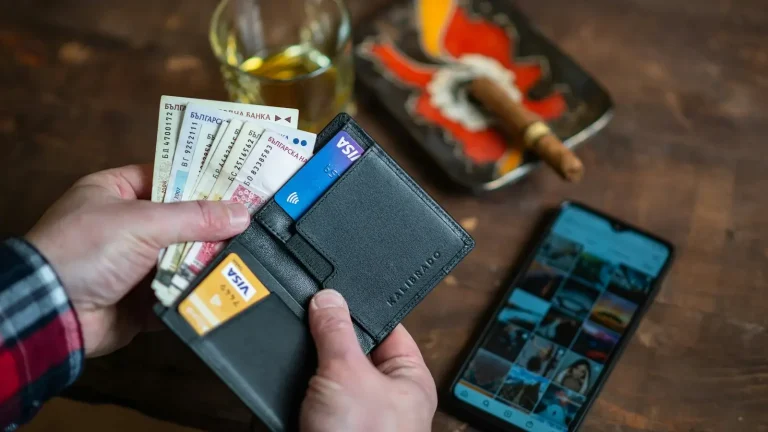
Gift Card Programs
The Social Role of Gift Cards
Beyond gifting — gift cards support diverse needs, including help for relatives who survive on low incomes.

Pre-paid gift cards serve purposes beyond traditional gifting occasions. They provide essential financial support to relatives with low incomes, representing a vital application of gift cards that is too often overlooked.
Filial Piety in China
China's culture of caring for elder family members has intensified with internal migration. Approximately 60% of migrants send money home, transferring roughly 19% of earnings annually. Card-based remittances restrict spending to specific retailers like supermarkets, ensuring funds support essentials. The Ogloba platform enables customization with photos, videos, and messages, reinforcing emotional bonds across thousands of miles.
Medication Relief Cards in Brazil
Brazil faces similar migration patterns, with 86% urban population concentration. By 2020, approximately 46% of Brazil's population were projected to be dependents. Healthcare costs burden households significantly—7% spend one-fifth of purchasing power on medicines. Rechargeable pre-paid medication cards ensure funds address chronic illness needs. Ogloba's platform restricts cards to designated products via SKU restrictions, guaranteeing appropriate medication purchases through local pharmacies.
Family Support in Mexico
Roughly 11 million Mexicans work in the United States, generating approximately $2 billion monthly transfers to Mexico. Traditional money transfer fees consume funds meant for essentials. Ogloba's platform enables cross-border card purchasing and redemption without charges when spent in-store, though cashing out incurs fees.
Rethinking Gift Cards' Role
Beyond celebratory gifting, Ogloba's flexible platform configures gift card solutions addressing everyday financial needs across diverse stakeholder groups.
FAQ
How are gift cards used beyond traditional gifting?
They provide essential financial support to relatives with low incomes — card-based remittances in China, rechargeable medication cards in Brazil and cross-border family support in Mexico are the three examples covered in the article.
How can senders make sure the funds are spent on essentials?
Cards can be restricted to specific retailers such as supermarkets, or even to designated products via SKU restrictions — as with Brazil's pre-paid medication cards redeemable at local pharmacies.
Is this cheaper than a traditional money transfer?
Ogloba's platform enables cross-border card purchasing and redemption without charges when spent in-store — only cashing out incurs fees — whereas traditional money transfer fees consume funds meant for essentials.